
Presbyopia Eye Drops: A New Option for Clearer Near Vision

Presbyopia Eye Drops: A New Option for Clearer Near Vision

Presbyopia Eye Drops: A New Option for Clearer Near Vision

Presbyopia Eye Drops: A New Option for Clearer Near Vision

Presbyopia Eye Drops: A New Option for Clearer Near Vision

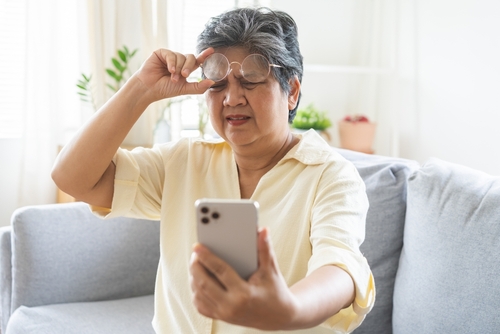
If you’ve started holding your phone farther away, struggling to read menus, or noticing that small print isn’t as sharp as it used to be, you’re not alone. This normal change—called presbyopia—happens to nearly everyone in their 40s and 50s as the natural lens inside the eye becomes less flexible.
For decades, the main solutions were reading glasses, progressive lenses, or multifocal contacts. But now, prescription eye drops for presbyopia offer an exciting new option for many patients who want greater visual flexibility.
How Presbyopia Drops Work
Presbyopia-correcting drops improve near and intermediate vision by helping the eye better focus on close objects. Different medications achieve this in slightly different ways, but the overall goal is the same: sharper near vision without always relying on readers. Some work by adjusting the size of the pupil to increase depth of focus. Others assist the eye’s natural focusing system. The exact mechanism varies depending on the drop, but all aim to make everyday tasks—reading, phone use, menus, labels—feel easier and more comfortable.
Two of the newest FDA-approved options include:
Vizz™ (aceclidine 1.75%)
Qlosi™ (pilocarpine 0.4%)
They contain different active ingredients, but they fall within the same category of medications designed to temporarily improve near vision. They are used once daily in most patients, begin working quickly, and can offer noticeable improvement for several hours. This doesn’t replace glasses for everyone or for all situations, but many people appreciate the convenience and flexibility these drops can provide.
What Patients Usually Want to Know
How long do the drops last?
Most presbyopia drops last several hours, depending on the specific medication and your individual response.
Can I still use my glasses or contacts?
Absolutely. Many patients use them in addition to their regular correction, depending on the visual task.
Do the drops sting or cause side effects?
Some patients may experience temporary mild burning, dimming in low light, or a slight headache early on, but many tolerate the drops very well. We review your eye health carefully to ensure the option you choose is appropriate.
Are they safe?
Both active ingredients—aceclidine and pilocarpine—have long histories of use in eye care. Pilocarpine has been used in Europe for more than 100 years, and aceclidine has been used in Europe since the late 1960s/early 1970s. These newer, low-dose formulations are specifically developed for presbyopia.
Who Is a Good Candidate?
Presbyopia drops may be helpful if you:
Want to reduce dependence on reading glasses
Have difficulty with near tasks at work or home
Prefer not to use readers in social settings
Wear contact lenses and want better near vision
Experience fluctuating near vision throughout the day
They may not be ideal in cases of certain retinal conditions, significant dry eye, or very large pupils, which is why an exam is important to determine the best fit.
Interested in Trying Presbyopia Drops?
If you’ve been relying on readers more than you’d like, these newer medications may offer welcome flexibility. We’d be happy to discuss what’s available, how they work, and whether they’re right for you.
📅 Schedule an appointment to see if presbyopia drops could help you enjoy clearer, more comfortable near vision.


MAP


Call or Text:
(281) 759-3937*Please CALL for an emergency to connect to the doctor on-call. We do not check our texts after hours.
Fax Number:
281-759-3938
- Monday 10:00 AM - 7:00 PM
- Tuesday 10:00 AM - 7:00 PM
- Wednesday 8:30 AM - 5:30 PM
- Thursday 9:00 AM - 5:30 PM
- Friday 8:30 AM - 5:30 PM
- Saturday Closed
- Sunday Closed
Se habla español.
On-call emergency eye care available.
Powered by: 