
Treating the Root Cause of Chalazion With Advanced Dry Eye Care

Treating the Root Cause of Chalazion With Advanced Dry Eye Care

Treating the Root Cause of Chalazion With Advanced Dry Eye Care

Treating the Root Cause of Chalazion With Advanced Dry Eye Care

Treating the Root Cause of Chalazion With Advanced Dry Eye Care

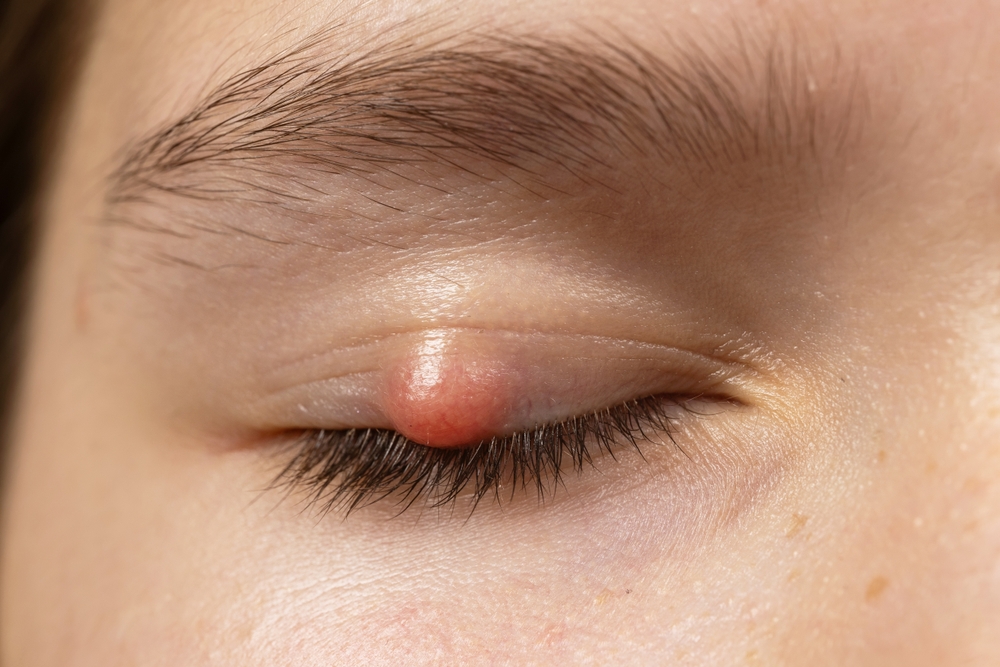
A chalazion may start as a small eyelid bump, but for many patients, it becomes a recurring and frustrating problem. While home remedies and short-term treatments can reduce swelling, they often fail to address why chalazia develop in the first place. In many cases, the root cause is poor eyelid oil gland function. At Enclave Vision, we take a comprehensive approach to treating chalazion by focusing on long-term eyelid health through advanced dry eye care.
What Is a Chalazion and Why Does It Keep Coming Back?
A chalazion forms when an oil-producing meibomian gland in the eyelid becomes blocked. These glands are responsible for releasing oils that stabilize the tear film and keep the eyes comfortable. When the oils become thick or stagnant, the gland can clog and trigger inflammation - leading to a chalazion.
Recurring chalazia are often linked to:
Meibomian Gland Dysfunction (MGD)
Chronic dry eye disease
Blepharitis (eyelid inflammation)
Poor oil quality within the tear film
If treatment focuses only on the lump itself, the blockage and inflammation that caused it may persist—setting the stage for future episodes.
The Connection Between Dry Eye and Chalazion
Dry eye disease isn’t just about watery or irritated eyes. In many cases, it stems from dysfunctional meibomian glands that fail to deliver healthy oils. When these oils thicken or harden, glands clog more easily, increasing the risk of chalazion.
By improving gland function and restoring oil flow, it’s possible to:
Reduce eyelid inflammation
Improve tear film stability
Lower the likelihood of recurrent chalazia
Advanced Dry Eye Care with OptiLight IPL Therapy
At Enclave Vision, we use advanced diagnostic tools to evaluate tear quality, gland structure, and eyelid health. This allows us to create a personalized treatment plan that targets the source of the problem.
One of the most effective tools we offer is OptiLight IPL, an FDA-approved intense pulsed light (IPL) treatment designed specifically for dry eye related to MGD.
OptiLight IPL works by:
Gently applying precise light pulses to the skin around the eyes
Reducing inflammation and abnormal blood vessels that contribute to gland dysfunction
Warming and softening thickened oils so glands can express more normally
For patients with recurrent chalazion, this approach helps restore healthier gland function, reducing blockages that lead to future eyelid lumps.
Why Treating the Root Cause Matters
When dry eye and MGD are properly managed:
Chalazia are less likely to recur
Eyelid comfort and appearance improve
Overall eye health and vision quality are enhanced
Instead of repeatedly treating flare-ups, advanced dry eye care provides a proactive, preventative solution.
Take the Next Step at Enclave Vision
Chalazion may seem like a minor eyelid issue, but for many patients, it’s a sign of deeper problems with dry eye and meibomian gland health. By addressing inflammation, oil gland dysfunction, and tear film imbalance, long-term relief becomes possible. Advanced treatments like OptiLight IPL allow us to move beyond temporary fixes and focus on lasting eye comfort and eyelid health.
If you’re dealing with recurring chalazion or ongoing eyelid irritation, schedule a consultation at Enclave Vision to learn how OptiLight IPL can help treat the root cause and protect your long-term eye health. Visit our office in Houston, Texas, or call (281) 759-3937 to book an appointment today.


MAP


Call or Text:
(281) 759-3937*Please CALL for an emergency to connect to the doctor on-call. We do not check our texts after hours.
Fax Number:
281-759-3938
- Monday 10:00 AM - 7:00 PM
- Tuesday 10:00 AM - 7:00 PM
- Wednesday 8:30 AM - 5:30 PM
- Thursday 9:00 AM - 5:30 PM
- Friday 8:30 AM - 5:30 PM
- Saturday Closed
- Sunday Closed
Se habla español.
On-call emergency eye care available.
Powered by: 