
Why Are My Eyes So Burning and Dry This Fall? Houston Ragweed & Autumn Air Explained

Why Are My Eyes So Burning and Dry This Fall? Houston Ragweed & Autumn Air Explained

Why Are My Eyes So Burning and Dry This Fall? Houston Ragweed & Autumn Air Explained

Why Are My Eyes So Burning and Dry This Fall? Houston Ragweed & Autumn Air Explained

Why Are My Eyes So Burning and Dry This Fall? Houston Ragweed & Autumn Air Explained

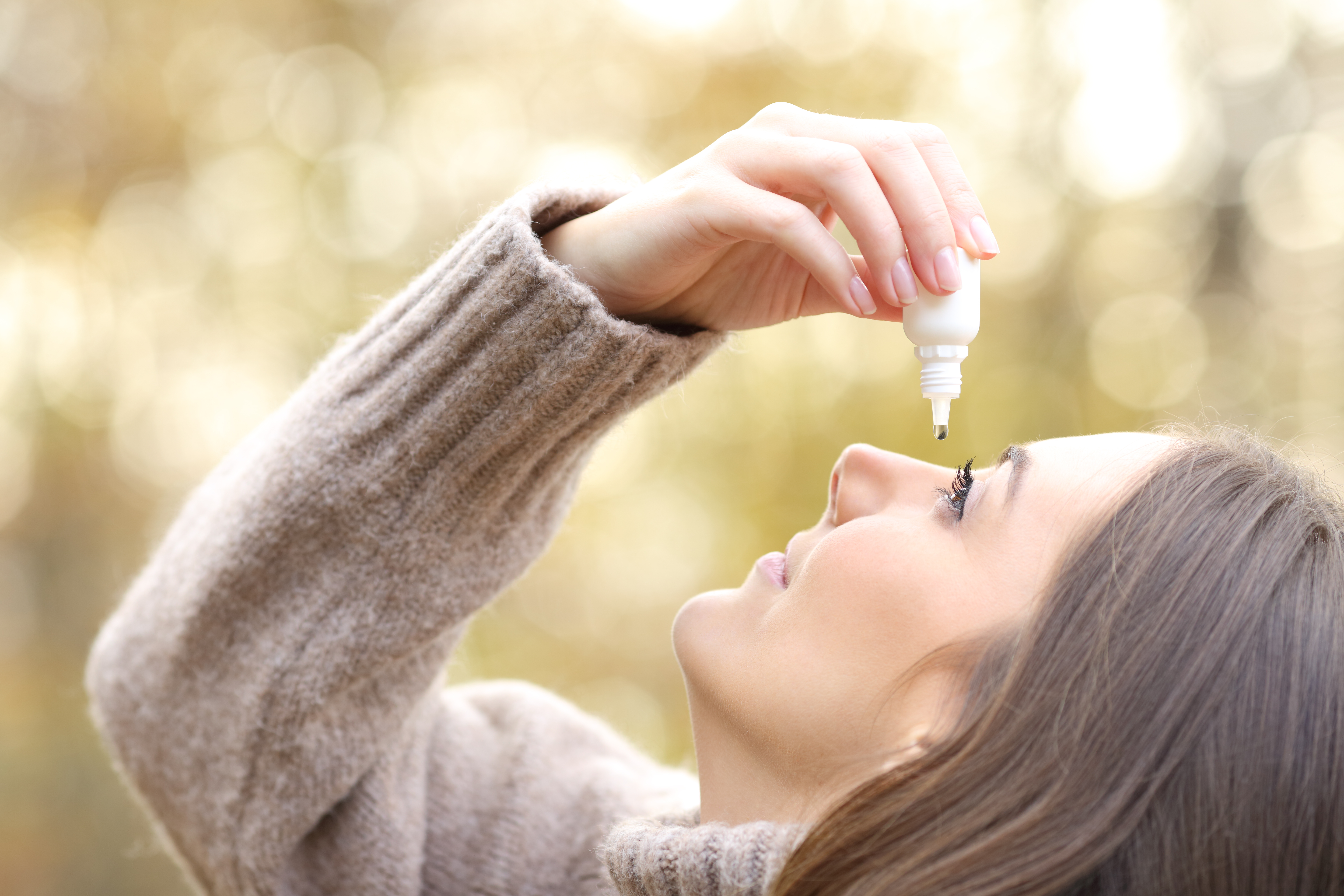
Fall in Houston does not always bring immediate relief from allergy season. Ragweed pollen becomes a major fall trigger, while changing weather, wind, indoor air conditioning, and extended screen time can also aggravate dry eye. If your eyes feel burning, gritty, watery, or irritated, you may be dealing with seasonal eye allergies, dry eye disease, or both. At Enclave Vision Associates in Houston, TX, we provide comprehensive eye care and advanced dry eye treatment to help identify what is causing persistent irritation.
Why Houston Ragweed Can Irritate Your Eyes
Houston has an extended allergy season because of its warm climate. Ragweed becomes an important allergen during the fall, and Texas Children's notes that October typically brings Houston's highest ragweed pollen counts.
When pollen triggers an allergic reaction around the eyes, symptoms can include itching, redness, burning, and clear watery discharge. Allergic eye symptoms often occur alongside sneezing or nasal congestion, although eye irritation can also occur on its own.
Itching is often a stronger clue that allergies are involved. Burning and grittiness without significant itching may point more toward dry eye, although symptoms can overlap.
Why Fall Air Can Make Dry Eye Worse
Dry eye develops when your eyes do not produce enough tears or when the tears evaporate too quickly. Windy and dry environments can speed up tear evaporation, while air conditioning and other moving air can further irritate an unstable tear film.
That combination can be frustrating for Houston patients who move between outdoor allergens and climate-controlled indoor environments throughout the day.
Dry eye can also cause excessive watering. When the ocular surface becomes irritated, your eyes may produce reflex tears. These watery tears do not necessarily provide the stable lubrication your eyes need, so they can water while still feeling dry or burning.
Is It Allergies or Dry Eye?
Pay attention to the pattern of your symptoms. Signs worth discussing during an eye exam include:
Intense itching with red or watery eyes
Burning, stinging, or gritty sensations
Blurry vision that changes after blinking
Eye irritation that worsens outdoors during high-pollen days
Dryness that becomes worse around fans or air conditioning
Contact lenses becoming increasingly uncomfortable
Symptoms that persist even after the suspected allergy exposure ends
Because dry eye and allergies can occur at the same time, choosing treatment based only on symptoms can be difficult.
What Can You Do During Houston Allergy Season?
Reducing exposure can help when ragweed is part of the problem. Keeping windows closed during high-pollen periods, washing your face after spending significant time outdoors, and avoiding rubbing itchy eyes can reduce irritation.
For dryness, artificial tears may provide temporary lubrication. Protecting your eyes from direct airflow and taking regular breaks during computer work can also help.
Avoid assuming that every burning or watery eye needs the same over-the-counter drop. Some products are intended for allergies, while others address lubrication. Persistent symptoms deserve an examination so treatment can match the actual cause.
When Advanced Dry Eye Treatment May Help
Enclave Vision Associates provides dry eye evaluation and treatment in Houston, including care for meibomian gland dysfunction. These eyelid glands produce oils that help prevent tears from evaporating too quickly. When the glands become blocked or dysfunctional, burning, irritation, fluctuating vision, and excessive tearing may develop.
For appropriate patients, Enclave Vision also offers OptiLight IPL as part of its approach to MGD-related dry eye. Treatment recommendations depend on your eye health, symptoms, tear film, and underlying cause rather than using the same solution for every patient.
If Houston ragweed and fall conditions are leaving your eyes burning, dry, watery, or irritated, schedule an evaluation with Enclave Vision Associates at 1140 Eldridge Parkway, Suite 120, Houston, TX 77077, or call or text 281-759-3937 to find the right treatment for more comfortable eyes this fall.


MAP


Call or Text:
(281) 759-3937*Please CALL for an emergency to connect to the doctor on-call. We do not check our texts after hours.
Fax Number:
281-759-3938
- Monday 10:00 AM - 7:00 PM
- Tuesday 10:00 AM - 7:00 PM
- Wednesday 8:30 AM - 5:30 PM
- Thursday 9:00 AM - 5:30 PM
- Friday 8:30 AM - 5:30 PM
- Saturday Closed
- Sunday Closed
Se habla español.
On-call emergency eye care available.
Powered by: 